The Sodhi Foundation Strengthens Rural Education Through the Kumon Method in Antioquia
At The Sodhi Foundation, we believe that every child deserves to learn at their own pace, with tools that build confidence and autonomy. That’s why our Educational Program implements the Japanese Kumon methodology—a globally recognized system that enables students to progress steadily in mathematics, Spanish, and English.
In the rural communities of Santa Isabel and Los Lagos (Remedios, Antioquia), we support children in their learning journey, laying the foundation for stronger academic skills and better opportunities.
How the methodology works
When a student joins the program, we apply a diagnostic test to identify their abilities and define the right starting point.
Alphanumeric levels (6A to 2A): strengthen number sequencing and introduce basic addition.
Levels A and B: develop addition and subtraction with one or more digits.
Levels C and D: introduce multiplication, division, and fractions.
Levels E and F: address operations with fractions and decimals.
Levels G to I: cover linear and quadratic functions, equations, and algebraic expressions.
Levels J to O: advance into high school mathematics, including polynomials, factorization, and rational expressions, preparing students for calculus with derivatives and integrals.
Progress is ensured through assimilation tests at each stage, guaranteeing mastery before advancing further. This way, students build strong and lasting knowledge.
Purposeful education that transforms
Our mission is clear: to deliver quality education to rural areas where opportunities are scarce. With Kumon, children not only strengthen their academic skills, but also develop discipline, perseverance, and self-confidence.
At The Sodhi Foundation, we believe true transformation begins when a child discovers their ability to learn and overcome challenges. And with every worksheet, every number, and every sentence, we are building brighter futures in Antioquia.
Related posts

The Power of Rhythm in Building Community
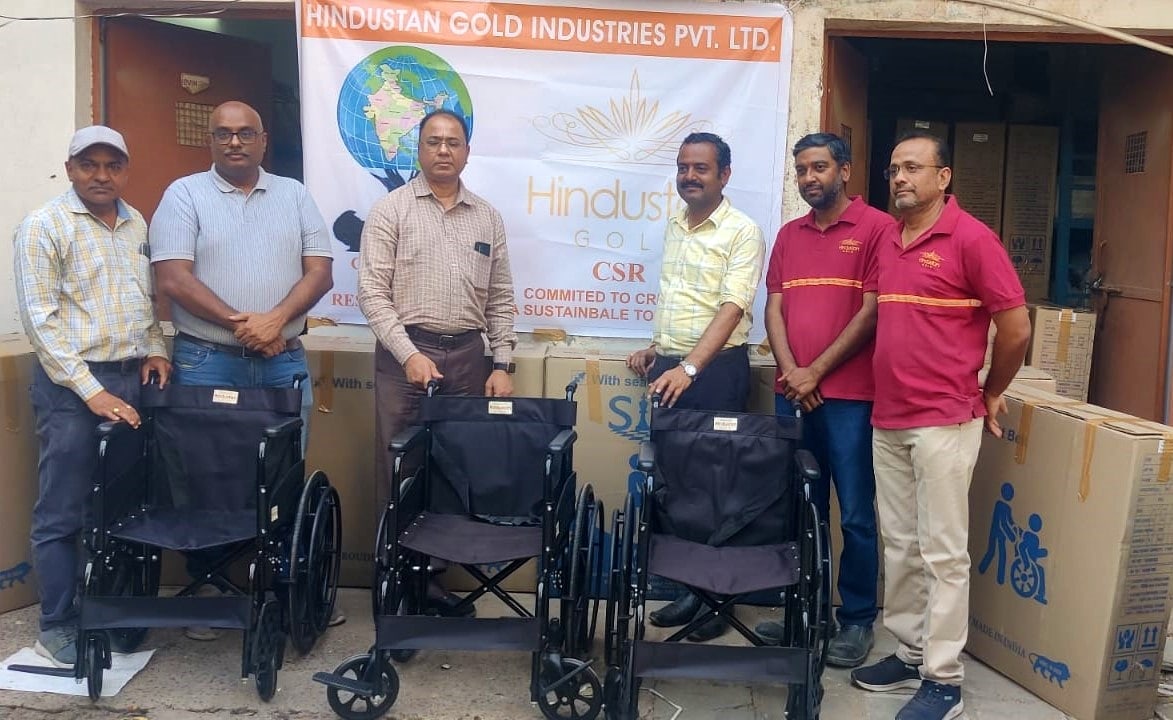
Championing Accessibility in Democracy: Sodhi Foundation’s CSR Initiative for Loksabha Election 2024
