Sustainability in Conservation: Empowering Communities in Segovia, Antioquia
Published on:
09 October 2025
The Sodhi Foundation prioritizes the implementation of social and environmental intervention models characterized by sustainability and strong community ownership. The completion of the first phase of the Participatory Monitoring project in Vereda El Pescado, Segovia, Antioquia—carried out by our affiliate Fundación Quintana—marks not an end, but a successful transition from externally driven project to a self-sustaining, community-managed initiative.
Phase Completion Strategy and Capacity Building
The community closure event was deliberately designed to ensure the longevity of knowledge, commitment, and responsibility beyond the formal project timeline. The methodology emphasized active education and collective memory through:
-
Visual and Educational Ownership: A community mural was collaboratively created at the local school by participants of all ages. This mural captures the region’s rich biodiversity, featuring key species such as the Harpy Eagle and Jaguar. It serves as a lasting testament to local conservation commitments and hope for the future.
-
Documentation and Citizen Science: Community members received an informational booklet systematizing monitoring data, including identified threats and management guidelines. This tool equips residents as informed custodians of their natural heritage. Additionally, a mini-documentary chronicles the environmental awareness journey and serves as a replicable educational resource.
-
Consolidation of Shared Purpose: Activities such as mural painting and stamping t-shirts with native species like the Tapir helped unify the community under a common conservation goal, fostering emotional bonds and a sense of responsibility toward forests home to species like the Pau Gil and choibo trees.
Collaborative Partnerships for Enduring Impact
This project’s success is the result of strong collaboration among Fundación Quintana, the Vereda El Pescado community, Proyecto Grandes Rapaces Colombia, Fundación Alianza Natural Colombia, and Escuela de la Biodiversidad. This partnership model is critical to ensuring ongoing impact and reinforcing local management capacity.
Conclusions and Future Directions
The greatest achievement of the Participatory Monitoring initiative is planting the “seed” of lasting commitment that has grown into community autonomy. The forests of Segovia, Antioquia, are no longer solely reliant on external interventions; they are actively managed by an informed and engaged local population. The Sodhi Foundation remains committed to promoting and documenting models where local empowerment is recognized as the most powerful and sustainable strategy for conservation and development.
Related posts
Making a difference together
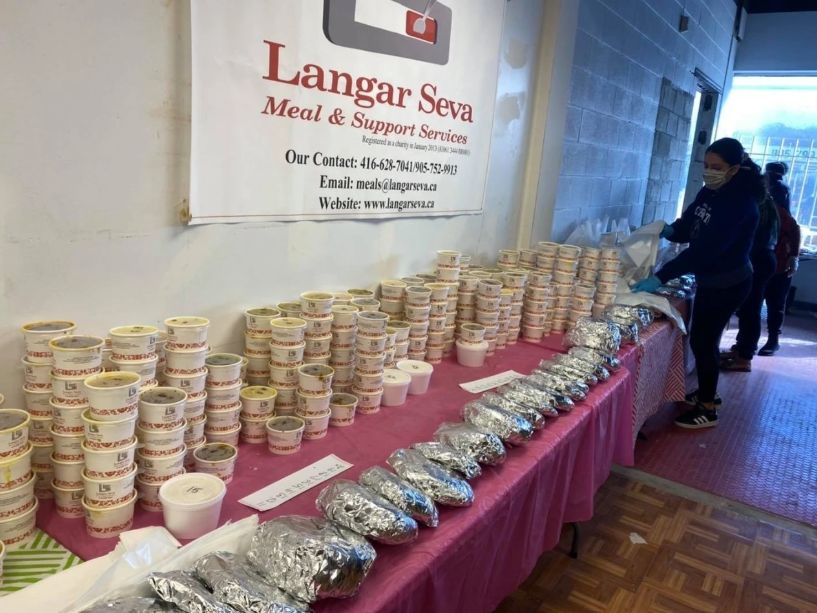
Sodhi Foundation’s Langar Seva programme continues to embody compassion and community service by providing free meals to those in need. From hospitals to riot-affected areas, our initiatives have fed thousands, ensuring that hunger doesn’t keep anyone awake at night. [...]

The Power of Rhythm in Building Community
Music and art have become powerful instruments of social transformation in the heart of Marmajón, between the municipalities of Segovia and Remedios. The Sodhi Foundation promotes a comprehensive educational process that goes beyond mere musical instruction and helps nurture identity, [...]

Women’s Leadership for Social Transformation: Fundación Quintana Nominated for the Inclusión 2025 Awards
Fundación Quintana, the Colombian subsidiary of the Sodhi Foundation, has been nominated in the “social or educational inclusion” category of the Inclusión 2025 Awards by Comfenalco Antioquia, thanks to its Women Entrepreneurs Network Program (Programa Mujeres Emprenden en Red) . [...]